
Planning and measuring the layout of vertical baseboard boards with even spacing is crucial for achieving a balanced and visually pleasing board and batten wall.
Whether you're aiming to create a cozy cottage vibe, a farmhouse-inspired aesthetic, or a modern twist on traditional wainscoting, the board and batten approach offers a beautiful way to customize your space.
As with any DIY project, careful planning and execution are key to a successful outcome. From determining the ideal number of vertical boards to calculating precise spacing, and finishing with chalking and paint, this project requires a thoughtful approach.
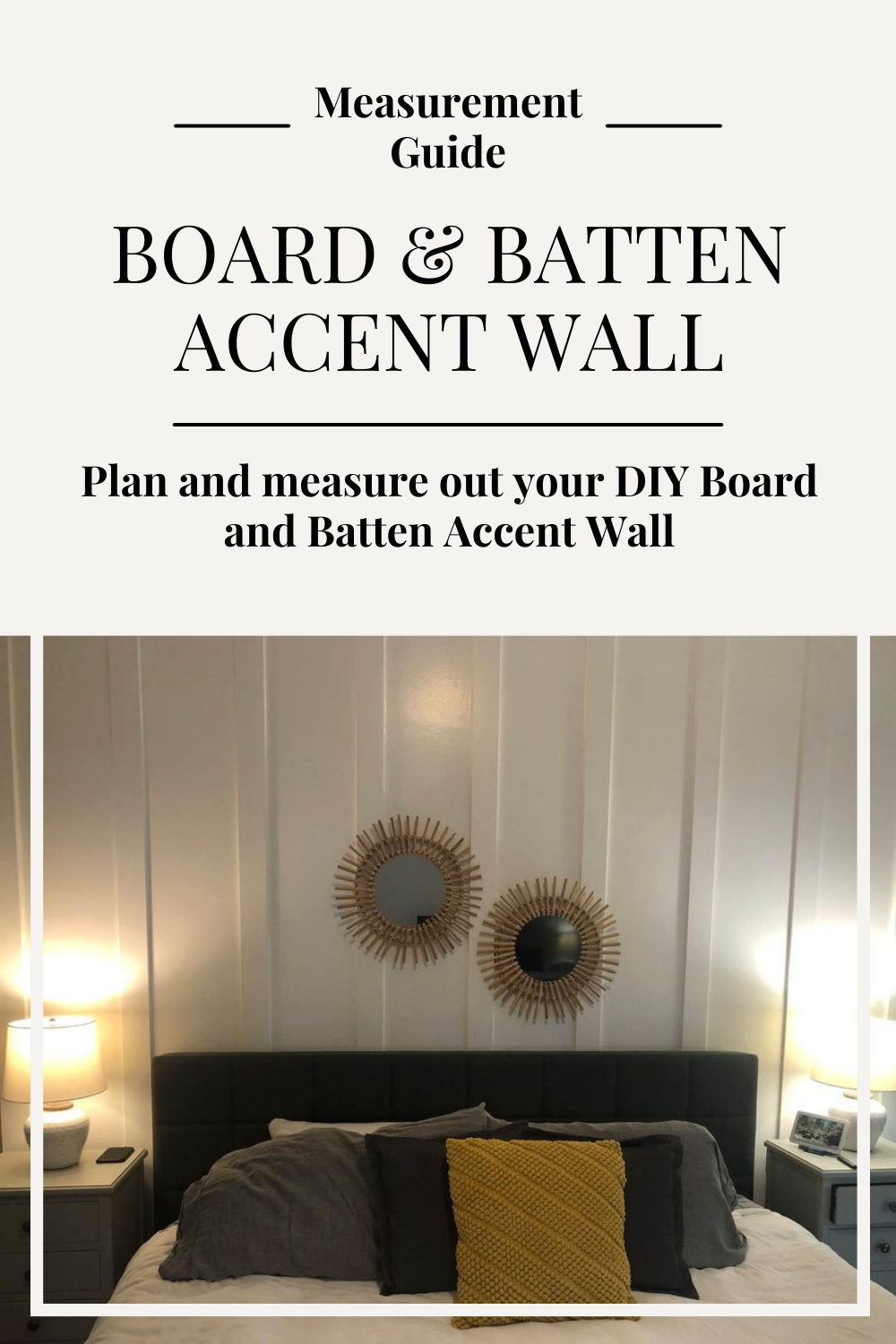
This comprehensive guide aims to answer common questions, offer practical tips, and guide you through each step of the process, ensuring that your board and batten wall not only meets your vision but becomes a standout feature within your home.
Materials:
- Measuring tape
- Pencil
- Straight edge or ruler
- Calculator
Steps:
1. Determine Board Placement:
Decide on the number of vertical boards you want on your wall. Typically, board and batten walls have an odd number of vertical boards for a balanced look. You'll need to envision the boards and decide what look you're going for. Based on my wall size, I opted for boards.
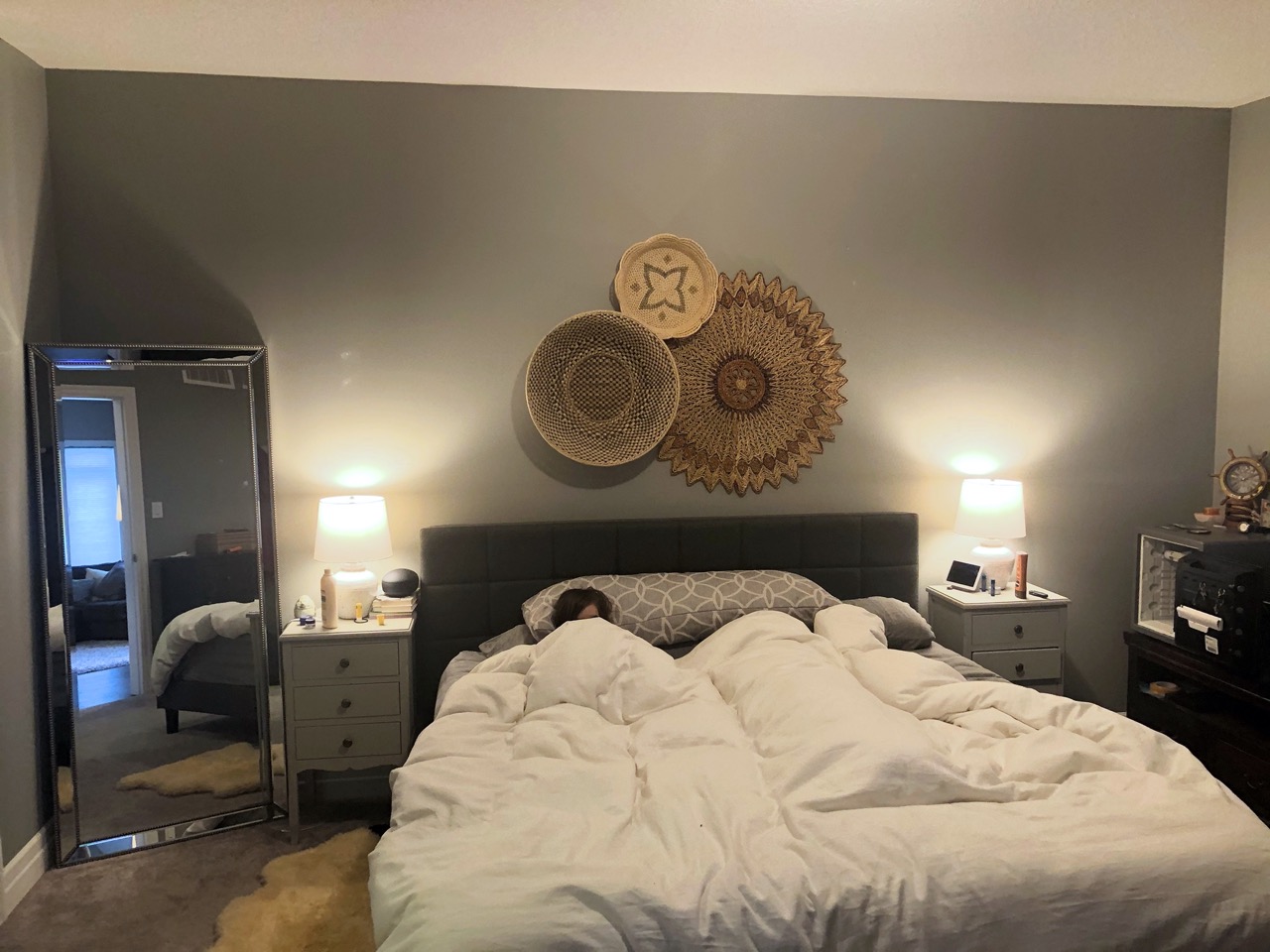
2. Identify Wall Dimensions:
Measure the height and width of the wall where you plan to install the board and batten. Make note of any obstacles like outlets or switches.
3. Divide Wall into Sections (On Paper):
Divide the width of the wall into equal sections based on the number of vertical boards you've chosen. For an odd number of boards, you'll have a central board, and the remaining boards will be on either side of it.
4. Calculate Spacing:
Determine the spacing between the boards. A common practice is to have even spacing between all the vertical boards. You can calculate this by dividing the total width of the wall by the number of spaces between the boards.
Spacing Formula: (Total Width - Combined Width of All Boards) / (Number of Spaces + 1)
Example: If your wall is 120 inches wide and you have 3 vertical boards, and you want even spacing between them:
(120 - (3 * Board Width)) / (3 + 1) = Spacing
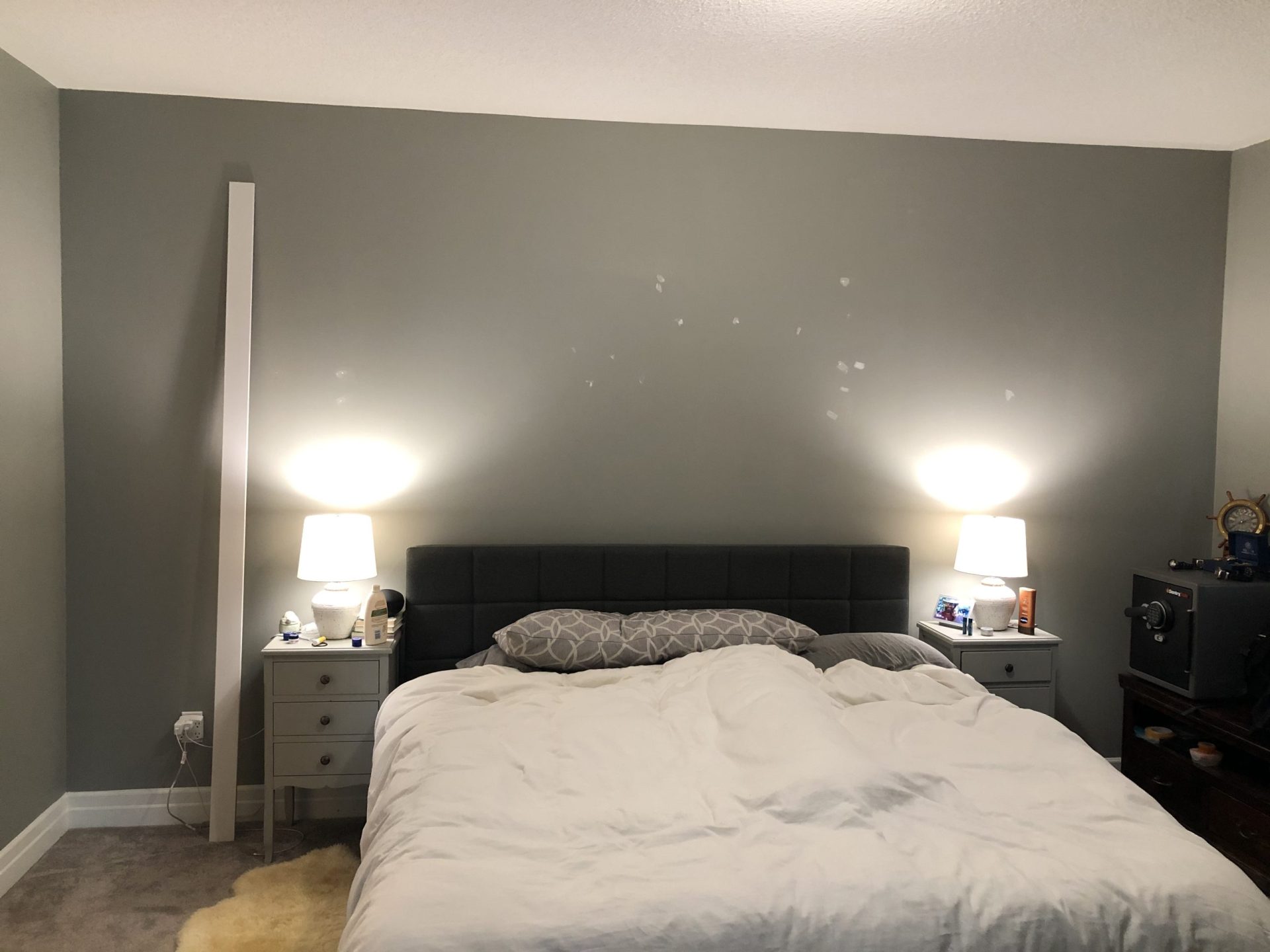
5. Mark Board Positions:
Use a pencil to mark the starting position of each vertical board on the wall. If you have an odd number of boards, the center board should be marked first.
6. Measure Bottom and Top Rails:
Measure and mark the positions for the bottom rail and top rail. These rails will go horizontally across the bottom and top of the wall. Ensure they are level.
8. Double-Check Spacing:
Double-check the spacing between each vertical board pencil mark, ensuring it is consistent and visually pleasing.
9. Final Adjustments:
Before attaching the boards, step back and visually assess the layout. Make any final adjustments to ensure a balanced and aesthetically pleasing design.
By following these steps, you can create an even and balanced layout for your vertical baseboard boards on the board and batten wall. Adjustments may be necessary based on the specific dimensions and preferences for your project.
10. Start Building your Wall
Now is the time to start working on the DIY Board and Batten Accent Wall, using the post as a step-by-step guide.
Frequently Asked Questions:
Does this guide work for any board dimensions?
Yes, The formula provided works well for evenly spacing vertical boards on a wall, regardless of the specific dimensions of the boards. The key is to consider the total width of the wall, the number of vertical boards, and their combined width.
Here's the formula for reference:
Spacing =
Total Width - (Number of Boards x Board Width)
Number of Spaces + 1
The variables in the formula are:
- Total Width: The total width of the wall.
- Number of Boards: The total number of vertical boards.
- Board Width: The width of each individual vertical board.
- Number of Spaces: The number of spaces between the boards (one less than the total number of boards).
As long as you know these values, you can use the formula to calculate the spacing between the vertical boards for your specific project. Adjustments may be needed based on your preferences and the overall aesthetic you want to achieve.
How do I deal with outlets or switches on the wall?
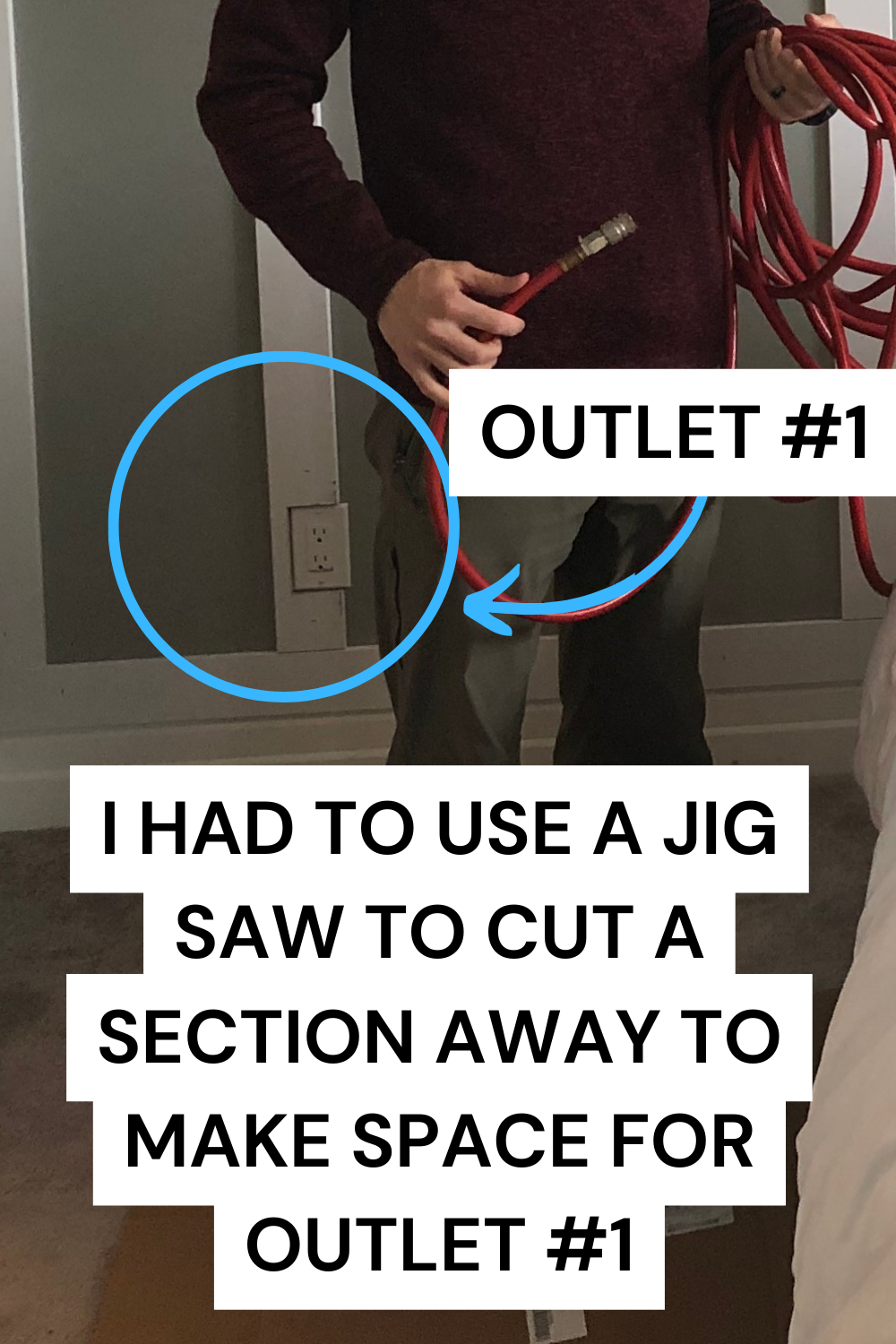
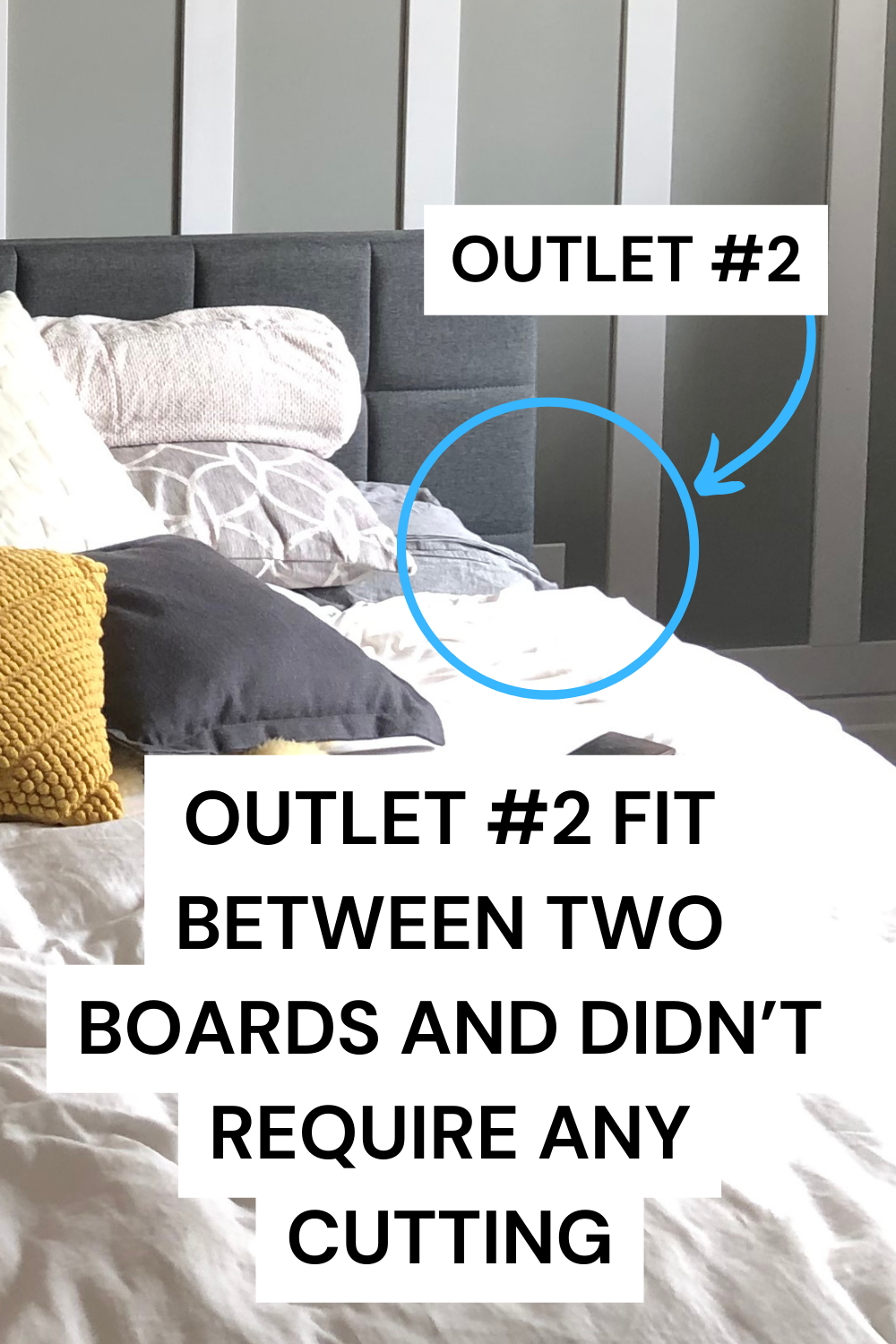
Measure and mark the positions of outlets and switches, and cut openings in the boards accordingly. Be precise to ensure a neat appearance. It's also a good idea to take note if you have any outlets, etc, before deciding on board spacing. It might be easier to choose a different spacing to avoid any outlets (or fewer outlets!) ahead of time.
How do I determine the number of vertical boards for my wall?
Consider the width of your wall and your aesthetic preferences. Most choose an odd number for a balanced look, with a central board.
What spacing should I use between the vertical boards?
Calculate the spacing based on the total width of the wall, the number of boards, and their combined width. Ensure it's visually pleasing, and adjust as needed.